Friday, October 16, 2015

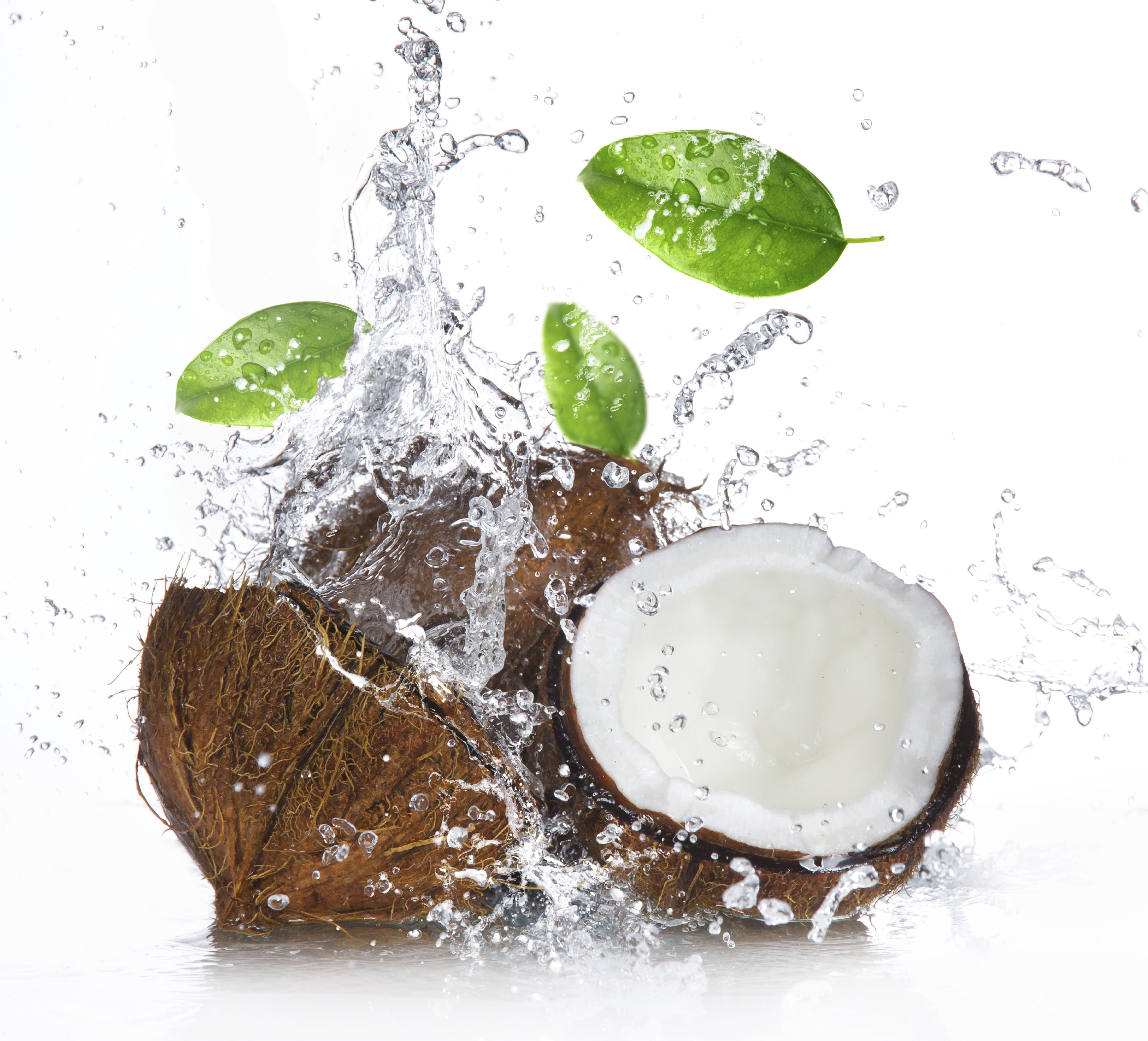
8 Benefits about Coconut Water You Didn't Know About


Coconut water is actually the juice present inside the interior cavity or endosperm of young, tender coconut. Its water is one of the nature’s most refreshing drinks, consumed worldwide for its nutritious and health benefiting properties.
The water is actually obtained by opening a tender, green, healthy, and undamaged coconut. Inside, it's clear liquid is sweet, and sterile and composed of unique chemicals such as sugars, vitamins, minerals, electrolytes, enzymes, amino acids, cytokine, and phyto-hormones. In general, young and slightly immature coconuts gathered from the coconut tree after they reach about 5-7 months of age for the purpose of reaping its drink.
Botanically, coconut plant belongs to the Arecaceae family of palm trees, and has the scientific name: Cocos nucifera.
Each coconut may contain about 200 to 1000 ml of water depending upon cultivar type and size. Any nuts younger than five months of age tend to be bitter in taste and devoid of nutrients. In contrast, mature coconuts contain less water, and their endosperm thickens quickly into white edible meat (kernel). Coconut milk obtained from the meat, therefore, should not be confused with coconut water.
Coconut palm flourishes well under the costal tropical environments. A coconut tree may yield several hundreds of tender nuts each season. Different species of coconut palms are grown all over the tropics. Naturally, their taste and flavor of water show variations according to saline content in the soil, distance from seashore, climate, etc.


Health benefits of coconut water
  1. Coconut water is a very refreshing drink to beat tropical summer thirst. Its liquid is packed with simple sugars, electrolytes, and minerals to replenish dehydration conditions inside the human body.
  2. Research studies suggest that cytokinins (e.g., kinetin and trans-zeatin) in coconut water found to have significant anti-ageing, anti-carcinogenic, and anti-thrombotic (anti-clot formation) effects.
  3. Coconut water has been generally offered to patients with diarrhea in many tropic regions to replace the fluid loss from the gastrointestinal tract and to reduce the need for hospitalisation. The osmolarity of tender coconut water is slightly greater than that of WHO recommended ORS (Oral Rehydration Therapy) solution. Presence of other biological constituents like amino acids, enzymes, minerals, and fatty acids may account for this higher osmolarity. Nonetheless, unlike WHO-ORS, its water is very low in sodium and chlorides, but rich in sugars and amino acids. This well-balanced fluid composition, along with much-needed calories, would be an ideal drink instead of any other kind of soft drink beverages available in the markets to correct dehydration conditions.
  4. Coconut water is composed of many naturally occurring bioactive enzymes such as acid phosphatase, catalase, dehydrogenase, diastase, peroxidase, RNA-polymerases etc. In effect, these enzymes help in the digestion and metabolism.
  5. Despite being very light in consistency, its water proportionately has better composition of minerals like calcium, iron, manganese, magnesium, and zinc than some of the fruit juices like oranges. (Compare the mineral composition of oranges).
  6. Its liquid is also a very good source of B-complex vitamins such as riboflavin, niacin, thiamin, pyridoxine, and folates. These vitamins are essential in the sense that the human body requires them from external sources to replenish.
  7. Coconut water carries a very good amount of electrolyte potassium. 100 ml of water has 250 mg of potassium and 105 mg of sodium. Together, these electrolytes help replenish electrolyte deficiency in the body due to diarrhea (loose stools).
  8. Further, fresh coconut water has a small amount of vitamin-C (Ascorbic acid); It provides about 2.4 mg or 4% of RDA. Vitamin C is a water-soluble ant-oxidant.


Monday, June 1, 2015

Secret Ways to Brighter, Whiter Teeth


Have your pearly whites lost their luster because of dingy gray or yellow stains? Stained teeth can occur as we age, but some common foods, drinks, and even mouthwashes can stain teeth. Do-it-yourself remedies can help whiten teeth, and avoiding substances that stain teeth can stop further discoloration. Use these secrets to whiter teeth to restore your bright smile.


Do-It-Yourself Teeth Whitening
You may be able to get rid of superficial stains by yourself. A number of at-home tooth-whitening products -- kits, strips, and toothpastes -- may lighten stains. There are even some old-fashioned remedies you can try. Tooth-whitening products available on drugstore shelves use mild bleach to brighten yellow teeth. Toothpastes use abrasives and chemicals to remove surface stains. For deep stains, you may need a dentist's help.

Tooth-Whitening Kits
A home tooth-whitening kit contains carbamide peroxide, a bleach that can remove both deep and surface stains and actually changes your natural tooth color. If you have coffee-stained teeth, a tooth-bleaching kit can help. With some kits, you apply a peroxide-based gel (with a small brush) to the surface of your teeth. In other kits, the gel is in a tray that molds to the teeth. The tray must be worn daily (for 30 to 45 minutes) for a week or more.

Home Whitening Strips
Tooth-whitening strips will help get rid of tooth stains. These strips are very thin, virtually invisible, and are coated with a peroxide-based whitening gel. You wear them a few minutes daily for a week or more. Results are visible in just a few days, and last at least a year. The results with strips are not as dramatic as with whitening kits, but the strips are easy to use and pretty much foolproof.

Whitening Toothpastes
How to get stains off your teeth? Over-the-counter toothpastes, gels, and liquids help remove some surface stains. Many of these products contain mild abrasives, chemicals, or polishing agents. Unlike bleaches, they don't change the natural color of teeth.

Home Remedies for Whiter Teeth
Some people still prefer the age-old home remedy of baking soda and a toothbrush to gently whiten teeth at home. Also, some foods such as celery, apples, pears, and carrots trigger lots of saliva, which helps wash away food debris on your teeth. Chewing sugarless gum is a tooth-cleansing action and also triggers saliva. A bonus from all that saliva: It neutralizes the acid that causes tooth decay. With teeth, more saliva is better all around.

Tooth Whitening and Dental Work
Approach tooth whitening with caution if you have lots of dental veneers, bonding, fillings, crowns, and bridges. Bleach will not lighten these manufactured teeth -- meaning they will stand out among your newly whitened natural teeth. In order to match your whiter teeth, you may need to investigate new dental work, including veneers or bonding.

Preventing Teeth Stains
As we age, the outer layer of tooth enamel wears away. The underlying layer, called dentin, is yellower. That's why it's important to try to avoid staining teeth in the first place, especially after whitening. If you take care with foods and drinks that discolor teeth, the results of whitening may last up to one year. Whitening teeth too often could make them look translucent and blue, so you'll want to maintain your new smile.

To Keep Teeth White, Don't Light Up
Not only is it bad for your health, smoking is one of the worst offenders when it comes to staining teeth. Tobacco causes brown stains that penetrate the grooves and pits of tooth enamel. Tobacco stains can be hard to remove by brushing alone. The longer you smoke, the more entrenched the stains become. Smoking also causes bad breath and gingivitis (gum disease), and increases the risk of most types of cancer.

Foods that Cause Teeth Stains
There's another reason to watch what you eat. Some common foods can discolor teeth. Here's an easy way to tell if a food might be at fault: Anything that can stain a white cotton T-shirt can stain teeth, say dentists. Coffee stains teeth, for example. Other top offenders are beverages such as tea, dark sodas, and fruit juices. These teeth stains develop slowly and become more noticeable as we age.

Think As You Drink
They may be packed with disease-fighting antioxidants, but a glass of red wine, cranberry juice, or grape juice also stains teeth easily. That doesn't mean you should give them up, but remember to rinse your mouth after you drink. These aren't the only teeth-staining foods to be aware of.

More Foods That Stain Teeth
The deep color of these fruits and veggies gives them their nutritional punch. But blueberries, blackberries, and beets leave their color on teeth as well. Eat up for your health, and prevent tooth stains by brushing teeth immediately after eating or rinsing your mouth with water.

Sports Drinks Tough on Teeth?
While all sweetened drinks are bad for teeth, some energy and sports drinks may be worse, according to one study in General Dentistry. Researchers found that these drinks -- as well as bottled lemonade -- may erode tooth enamel after long-term use. The result is thin, translucent, discolored teeth. To prevent tooth erosion is don't sit and sip these drinks for a long time, and rinse your mouth with water when you finish drinking.

Medications That Can Stain Teeth
The antibiotic tetracycline causes gray teeth in children whose teeth are still developing. Antibacterial mouthwashes that contain chlorhexidine or cetylpyridinium chloride can also stain teeth. Some antihistamines, antipsychotic drugs, and blood pressure medications cause tooth stains, as can iron and excess fluoride. If bleaching doesn't help, ask your dentist about dental bonding, in which a tooth-colored material is applied to teeth.

Don't Forget Daily Maintenance
One simple strategy can help maintain white teeth: brush. Brush at least twice and floss at least once daily. Even better, brush after every meal and snack. Brushing helps prevent stains and yellow teeth, especially at the gum line. Both electric and sonic toothbrushes may be superior to traditional toothbrushes in removing plaque and surface stains on teeth.

Open Wide and Say 'Whiter Teeth!'
See your dentist for regular checkups and professional cleaning. The abrasion and polishing methods dentists use can remove many teeth stains caused by food and tobacco.

Wednesday, April 15, 2015

10 Foods that Makes Your Hair Healthier


1. Salmon for Shine
Fish like salmon, sardines, and mackerel are packed with healthy omega-3 fatty acids. Your body can't make these healthy fats, so you have to get them from food or supplements. They help protect you from disease, but your body also needs them to grow hair and keep it shiny and full.

2. Grow With Greek Yogurt
It’s packed with protein, the building block of your locks. Greek yogurt also has an ingredient that helps with blood flow to your scalp and hair growth. It’s called vitamin B5 (known as pantothenic acid) and may even help against hair thinning and loss. You may recognize pantothenic acid as an ingredient on your hair and skincare product labels.

3. Spinach to Battle Brittle Hair
Like so many dark green leafy vegetables, spinach is full of amazing nutrients. It has tons of vitamin A, plus iron, beta carotene, folate, and vitamin C. These work together for a healthy scalp and mane. They keep your hair moisturized so it doesn't break. Want to mix it up a little? Kale is another great green choice.

4. Guava to Prevent Breakage
This tropical fruit brims with vitamin C. It protects your hair from breaking. One cup of guava has 377 milligrams of vitamin C. That's more than four times the minimum daily recommended amount. Bonus!

5. Iron-Fortified Cereal to Prevent Loss
Getting too little iron can lead to hair loss. But you can find this important nutrient in fortified cereal, grains, and pastas, and in soybeans and lentils. Beef, especially organ meats like liver, have lots of it. Shellfish and dark leafy greens do too.

6. Lean Poultry for Thickness
When you don't get enough protein, hair growth "rests." Since it stops and older hairs fall out, you can have hair loss. To get protein from meat, pick lean options like chicken or turkey, which have less saturated fat than sources like beef and pork.

7. Sweet Potatoes to Fight Dull Locks
Have dry hair that's lost its shine? Sweet potatoes are filled with a good-for-you antioxidant called beta carotene. Your body turns beta carotene into vitamin A. That helps protect against dry, dull hair. It also encourages the glands in your scalp to make an oily fluid called sebum that keeps hair from drying out. You can also find beta carotene in other orange vegetables like carrots, pumpkin, cantaloupe, and mangoes.

8. Cinnamon for Circulation
Sprinkle this spice on your oatmeal, toast, and in your coffee. It helps with blood flow, also called circulation. That's what brings oxygen and nutrients to your hair follicles.

9. Eggs for Growth
Your protein and iron bases are covered when you eat eggs. They're rich in a B vitamin called biotin that helps hair grow. Not having enough of this vitamin can lead to hair loss. Biotin also helps strengthen brittle fingernails.

10. Oysters for Fullness
These are rich in zinc. When you don't have enough of this mineral in your diet, you can have hair loss even in your eyelashes. Cells that build hair rely on zinc to help them work their hardest. You can also find this mineral in beef, crab, lobster, and fortified cereal.

Recipe: Sticky Chicken With Apricot Jam


Ingredients
1 1/2 pounds skinless, boneless chicken breast
1/2 jar apricot jam
1/4 cup soy sauce
2 tablespoons toasted sesame seeds, (can use black, white, or both)
2 scallions, cleaned and sliced for garnish
salt and pepper, to taste.

Instructions
1. Preheat oven to 350ºF. Lightly spray cooking spray on a baking dish.
2. Spray cooking spray, salt and pepper on chicken breast. Grill on each side until cooked through.
3. In a medium saucepan, combine apricot jam and soy sauce. Bring to a boil and then lower heat and simmer for 5 minutes.
4. Pour apricot mixture evenly over chicken breasts. Sprinkle with toasted sesame seeds.
5. Garnish with sliced scallion.

Nutritional Facts


*Nutritional Guidelines based on the USDA's MyPlate Standards.

Thursday, April 9, 2015

The Sources of Omega-3s Is Not Only Egg !


We often hear about what we should be cutting out of our diets – like saturated fats, sodium, and sugar. But if you want to better your health, it’s not enough to just avoid the bad – you also need to make sure you’re getting enough of the good. And some of the most important nutrients, such as omega-3 fats, are lacking in the typical American diet.

What makes omega-3 fats special? These essential fatty acids play a vital role in our bodies and have also been linked with many health benefits, such as protection against heart disease, some types of cancer, and even age-related memory loss.

While there’s no Dietary Reference Intake for omega-3s, the National Institutes of Health has recommended that people eat at least 2% of their total daily calories as omega-3 fats (that’s about 2 grams for a 2,000-calorie/day diet). Fatty fish like salmon, tuna and halibut are among the best sources of omega-3s. However there are other food sources that can boost your omega-3 intake.

Here are five surprising foods to help you get more beneficial omega-3s in your diet:

Beans – Not only are beans an excellent source of protein, an eight-ounce serving of tofu (derived from soybeans) has about 1.2 grams of omega’s, while a cup of kidney beans packs in nearly 1 gram (about half of what you need for the day). What’s more, beans are easy on your wallet, especially compared to fresh fish.

Winter Squash – Fantastic for roasting, acorn, pumpkin, and butternut squash are best known for their beta-carotene content, but they also contain omega-3s. One cup of butternut squash has about 50 mg of omega-3s.

Eggs – Once demonized as artery-clogging culprits, eggs are now known to be nutritional all-stars: one egg has 13 vitamins and minerals and high-quality protein, all for 70 calories. And some specialty eggs, like Eggland’s Best, have double the amount of omega-3s (and four times more vitamin D and 25% less sat fat!) compared to ordinary eggs.

Flax Seeds – Two tablespoons of ground flax seeds have about 3.4 grams of omega-3s. (Make sure you grind the seeds or they will pass through the body mostly undigested!) In addition to their omega-3s, flax seeds are an excellent source of fiber. They have a rich, nutty taste and are a perfect topping for salads, cereal, yogurt, or as a healthy addition to smoothies.

Walnuts – Just one ounce (about ¼ cup shelled walnut pieces) has 2.5 grams of omega-3s, making them the richest nut-source of this essential nutrient. In addition, an ounce of walnuts provides a convenient source of protein (4 grams) and fiber (2 grams).  Pump up the nutrition of your oatmeal, salads, snacks, main dishes and even desserts with this nutty nutritional powerhouse.

The research is still unclear as to whether plant-based or fish omega-3 fatty acids are equally beneficial. Most Americans do not get enough of either type, so you should aim to get at least one rich source (plant or fish) of omega-3 fatty acids in your diet every day.
Small changes can lead to big results. What healthy step can you take today?

Tuesday, April 7, 2015

Recipe: Chocolate Dipped Strawberries


Strawberries and dark chocolate supply disease-busting phytonutrients.

Ingredients (4 Servings)
2 ounces 60% bittersweet chocolate
1 pint strawberries

Instructions
1. Rinse fruit well. Do not remove stems. Blot dry with a paper towel and set aside.
2. Melt chocolate in the top of a double boiler, stirring constantly. When chocolate has melted, remove top portion of the double boiler.
3. Hold one strawberry at a time by the top and dip into chocolate to coat it. Coat completely except for stem area.
4. Let cool.

Nutrition Facts


*Nutritional Guidelines based on the USDA's MyPlate Standards.